
When was the last time you visited a dental hygienist?
If your answer is:
“Umm… I can’t remember.”
Don’t worry. You’re definitely not alone! 😅
Many people think a dental hygienist is simply the person who gives your teeth a really good clean.
And while a professional clean is certainly part of the job, dental hygienists do much more than polish your teeth.
They play an important role in helping patients maintain good oral hygiene and supporting the prevention and management of gum disease.
But what exactly does a dental hygienist do?
How often should you see one?
And why are dental practices increasingly looking at locum dental hygienists to help meet patient demand?
Let’s take a closer look.
🦷 What Is a Dental Hygienist?
A dental hygienist is a regulated dental professional who focuses on helping patients maintain good oral health, particularly the health of their gums.
Dental hygienists can provide professional preventive care and advice to help patients look after their teeth and gums.
They can also support patients who are experiencing problems such as gum disease.
Your dentist isn’t the only person looking after your smile.
Think of your dental team as a football squad.
The dentist is one player.
The dental hygienist is another.
The dental nurse is another.
The receptionist keeps everyone organised.
And together, they help keep the practice – and your oral health – moving in the right direction.
What Does a Dental Hygienist Actually Do?
One of the most common treatments provided by dental hygienists is professional teeth cleaning.
Over time, plaque can build up on your teeth.
If plaque isn’t removed effectively, it can contribute to problems including tooth decay and gum disease.
A hygienist can help remove deposits that are difficult to manage with your normal toothbrush and flossing routine.
Depending on the patient’s needs and the professional’s scope of practice, a dental hygienist may provide care including:
🦷 Professional tooth cleaning
🦷 Advice about brushing and interdental cleaning
🦷 Oral hygiene education
🦷 Support with gum health
🦷 Preventive dental care
🦷 Advice about maintaining healthy teeth and gums
Your hygienist can also give you personalised advice based on your own oral health.
Because, let’s be honest…
What works for your partner might not work for you.
🦷 Why Is Dental Hygiene So Important?
Here’s the slightly scary part.
You can brush your teeth twice a day and still develop problems with your gums.
Why?
Because brushing alone may not remove everything from between the teeth and along the gumline.
Plaque can accumulate in areas that are difficult to reach.
If plaque isn’t effectively removed, it can harden into calculus — sometimes called tartar.
And once calculus has formed, brushing alone won’t remove it.
That’s where professional dental hygiene care can help.
What Is Gum Disease?
Gum disease is a common oral health problem.
It can begin with inflammation of the gums, often associated with plaque build-up.
You may notice:
🔴 Red or swollen gums
🩸 Bleeding when brushing
😮 Bad breath
🦷 Tender gums
📉 Gums appearing to recede
These can be signs that your gums need attention.
The good news?
Gum disease can often be prevented and managed with good oral hygiene and professional dental care.
If you’re experiencing persistent bleeding or other symptoms, speak to your dentist or dental professional.
Does a Dental Hygienist Whiten Your Teeth?
This is one of the most common questions.
A professional hygiene appointment isn’t the same as cosmetic tooth whitening.
However, removing surface stains and deposits can make teeth look cleaner and brighter.
If you’ve been drinking lots of coffee, tea or red wine, or you’re a smoker, you may have developed surface staining.
A professional clean can help remove some of these external stains.
But if you’re looking for cosmetic tooth whitening, speak to your dental professional about appropriate options.
Coffee Lovers, We Need to Talk…
You love your morning coffee.
We understand.
But your teeth may not be quite as enthusiastic.
Coffee, tea and certain foods can contribute to surface staining over time.
You don’t necessarily have to give up your favourite drink.
Just make sure you’re maintaining good oral hygiene and visiting your dental team regularly.
And perhaps don’t tell your hygienist about the sixth coffee of the day.
They already know. 😂
How Often Should You See a Dental Hygienist?
There isn’t a single schedule that works for everyone.
Your dentist or dental hygienist can recommend an appropriate frequency based on your individual oral health, risk factors and needs.
Some patients may benefit from regular hygiene appointments.
Others may need more frequent professional support, particularly if they have a history of gum disease or difficulty maintaining good oral hygiene.
The important thing is not to think of your hygienist as someone you only visit when your teeth need a serious clean.
Prevention is better than waiting for a problem to develop.
Your Toothbrush Isn’t the Whole Story
Let’s talk about interdental cleaning.
The spaces between your teeth can be difficult to reach with a standard toothbrush.
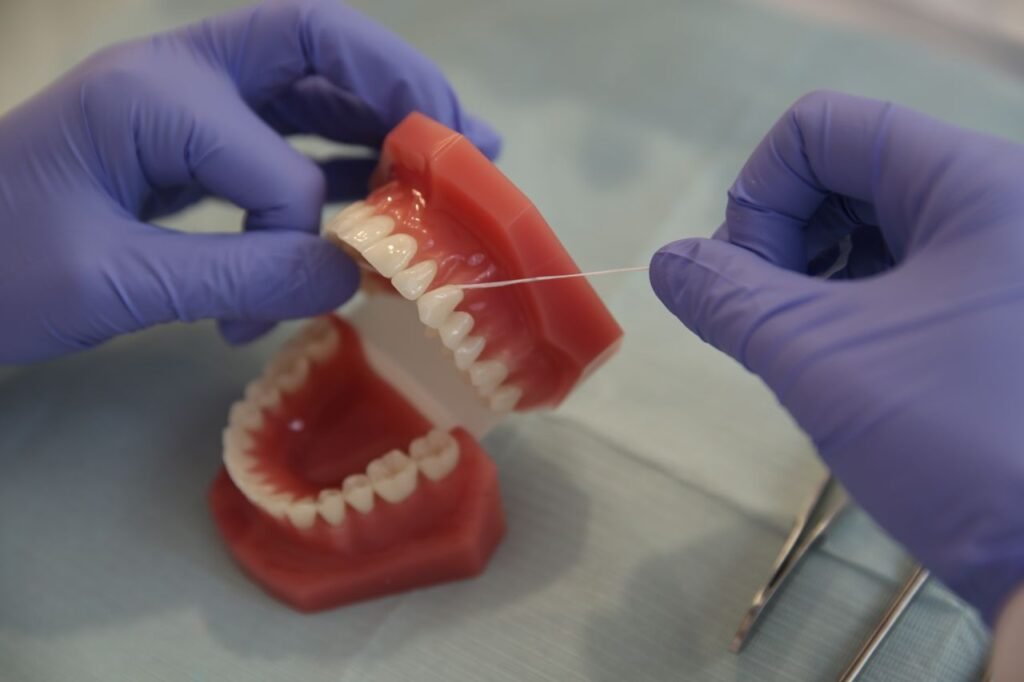
That’s why dental professionals often recommend cleaning between your teeth using appropriate interdental brushes, floss or other methods.
Your hygienist can help you understand which method is most suitable for you.
And yes…
They may ask:
“Do you floss?”
You know the question is coming.
You can try to look innocent.
But they probably know. 😆
Why Dental Practices Need Dental Hygienists
It’s not just patients who benefit from dental hygienists.
Dental practices do too.
A good hygiene service can help practices provide preventive oral healthcare while allowing dentists to focus on diagnosis, treatment planning and more complex clinical care.
However, like every member of a dental team, hygienists can be unavailable.
They may take annual leave.
They may become unwell.
A practice may experience increased patient demand.
Or a practice may be trying to recruit a permanent hygienist.
That’s where locum dental hygienists can help.
What Is a Locum Dental Hygienist?
A locum dental hygienist provides temporary professional support to a dental practice.
Rather than being permanently employed by one practice, they may work on a temporary basis depending on the requirements of the practice and their availability.
For dental practices, locum hygienists can provide additional flexibility.
They can potentially help with:
✔ Staff sickness
✔ Annual leave
✔ Recruitment gaps
✔ Increased patient demand
✔ Additional hygiene sessions
✔ Temporary vacancies
What If Your Hygiene Diary Is Full?
This is actually a good problem to have.
A full appointment book means patients want your services.
But if your hygiene appointments are booked weeks or months ahead, patients may become frustrated waiting for an appointment.
Additional temporary hygiene capacity can help practices respond to increased demand.
A locum dental hygienist may allow a practice to offer additional appointments without immediately committing to a permanent recruitment process.
More appointments.
More flexibility.
Less pressure.
And hopefully fewer patients asking:
“Do you have anything sooner?”
Dentibond: Supporting Dental Practices With Locum Hygienists
Dentibond provides dental staffing solutions to help practices access professional temporary dental staff.
This includes support for practices looking for dental hygienists, alongside GDC registered dental nurses and friendly dental receptionists.
For a practice experiencing staff absence, recruitment challenges or increased demand, having access to a dental staffing provider can provide another option.
Dentibond supports dental practices across areas including:
📍 Oxfordshire
📍 Berkshire
📍 South Warwickshire
📍 South West Northamptonshire
📍 East Gloucestershire
📍 South West Hertfordshire
📍 Greater London
Are You a Dental Hygienist Looking for Locum Work?
If you’re already a qualified and appropriately registered dental hygienist, locum work could provide an interesting way to develop your professional experience.
Working across different practices can give you exposure to different teams, environments and patient needs.
It can also provide flexibility depending on available assignments and your own schedule.
For some dental professionals, that’s a major attraction.
You get to do what you enjoy…
While experiencing something a little different from the usual Monday-to-Friday routine.
Why Choose a Career as a Dental Hygienist?
If you’re considering a career in dentistry but don’t necessarily want to become a dentist, dental hygiene can be an interesting professional route.
Dental hygienists play an important role in preventive oral healthcare.
You can work directly with patients.
You can educate people about oral health.
You can help patients improve their daily routines.
And you can build a rewarding career within the dental profession.
Plus, you’ll probably become very good at answering the question:
“Is this going to hurt?”
The Bottom Line
Your teeth aren’t just about having a great smile.
Good oral hygiene is an important part of looking after your overall oral health.
Brushing twice a day, cleaning between your teeth, maintaining a healthy lifestyle and visiting your dental team regularly can all contribute to healthy teeth and gums.
And when you need professional support, your dental hygienist can be an important member of your dental team.
For dental practices, having reliable staffing support is equally important.
If your practice needs a locum dental hygienist in Oxfordshire or Berkshire, Dentibond can discuss your requirements.
Need a Locum Dental Hygienist?
Whether you need temporary cover because of:
Sickness
Annual leave
Increased patient demand
Staff turnover
Recruitment gaps
or simply need additional hygiene capacity…
Dentibond can help your dental practice explore its staffing options.
📞 07563 842545
Dentibond – helping dental practices keep their teams strong and their patients smiling. 😁
Frequently Asked Questions About Dental Hygienists
What does a dental hygienist do?
Dental hygienists are regulated dental professionals who provide preventive oral healthcare, including professional cleaning and oral hygiene advice, within their scope of practice.
Does a dental hygienist clean your teeth?
Yes. Professional tooth cleaning is an important part of dental hygiene care. A hygienist can help remove plaque, calculus and certain types of surface staining.
Can a dental hygienist help with gum disease?
Dental hygienists can provide preventive care and support the management of periodontal health within their scope of practice. If you have concerns about your gums, speak to your dental professional.
How often should I see a dental hygienist?
It depends on your individual oral health needs. Your dentist or hygienist can recommend an appropriate appointment schedule.
Can a hygienist whiten my teeth?
A professional hygiene appointment isn’t the same as cosmetic tooth whitening. However, removing surface stains and deposits can make teeth look cleaner and brighter.
Is a dental hygienist a qualified professional?
Yes. Dental hygienist is a regulated professional title in the UK, and dental hygienists are regulated by the General Dental Council.
What is a locum dental hygienist?
A locum dental hygienist provides temporary professional dental hygiene services to a practice rather than working permanently in one location.
Why would a dental practice need a locum hygienist?
Practices may use locum hygienists to cover sickness, annual leave, recruitment gaps, increased demand or temporary vacancies.
Can Dentibond provide locum dental hygienists?
Dentibond provides dental staffing solutions that include dental hygienist support. Practices can contact the team to discuss their requirements and availability.
Does Dentibond provide locum hygienists in Oxfordshire?
Dentibond supports dental practices in Oxfordshire and can discuss requirements for temporary dental staffing.
Does Dentibond provide locum hygienists in Berkshire?
Yes. Dentibond provides dental staffing support in Berkshire and can discuss temporary staffing requirements.
Can a dental hygienist work as a locum?
Qualified and appropriately registered dental hygienists can explore locum opportunities, subject to professional requirements and the needs of individual practices.
How do I find a locum dental hygienist?
Dental practices can contact specialist dental staffing providers such as Dentibond to discuss their requirements, location and dates.
How can I contact Dentibond?
Call 07563 842545 or email enquiries@dentibond.co.uk to discuss your dental staffing requirements.